.svg)


Sep 29, 2026
Alternatives To Invisalign For Teenagers
Orthodontic Alternatives for Teenagers
Orthodontic care is a significant aspect of maintaining your teenager’s oral health and achieving a beautiful smile. While Invisalign is a popular choice for straightening teeth, it’s essential to explore alternative options that may better suit your teenager’s needs. In this blog, we’ll introduce you to various alternatives to Invisalign for teenagers, helping you make an informed decision about their orthodontic journey.
Introduction to Alternatives to Invisalign
Before we dive into the alternatives, let’s briefly understand why you might consider options other than Invisalign for your teenager. While Invisalign offers many benefits, such as comfort and discretion, it may not be the perfect fit for every teenager’s orthodontic needs. Factors like the severity of misalignment, lifestyle, and preferences play a role in choosing the right treatment.
Traditional Braces: Pros and Cons
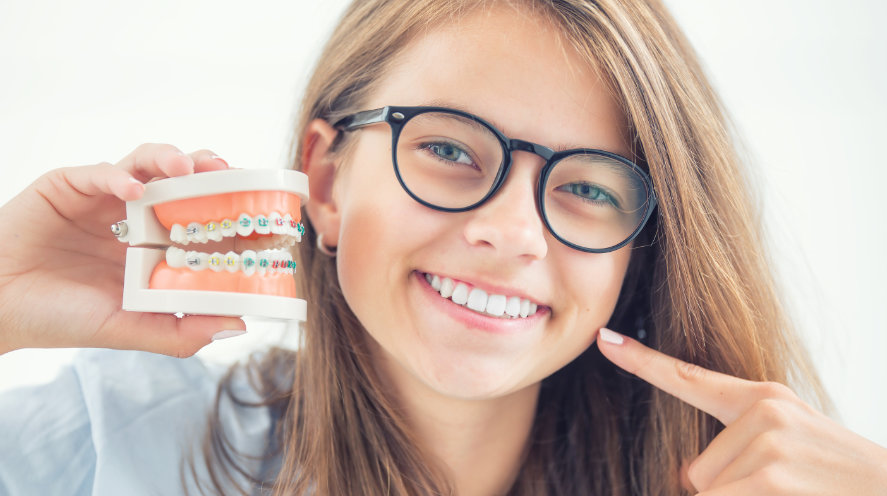
Traditional braces have been a trusted method for straightening teeth for decades. They consist of metal brackets and wires that work together to gradually shift teeth into their proper positions. Here are the pros and cons of traditional braces:
Pros:
- Highly effective for correcting severe misalignments.
- Suitable for all orthodontic cases.
- Covered by most insurance plans.
- No compliance issues since they are fixed in place.
Cons:
- Visible metal brackets and wires, which may affect appearance.
- Potential discomfort and soreness during adjustment appointments.
- Restrictions on certain foods that could damage braces.
- More challenging to maintain oral hygiene.
Lingual Braces: A Discreet Option
Lingual braces are an orthodontic alternative that offers the effectiveness of traditional braces without the highly visible appearance. These braces are placed on the backside of the teeth, making them virtually invisible when your teenager smiles.
Here’s what you need to know:
Pros:
- Discreet appearance, as the braces are hidden behind the teeth.
- Effective for various orthodontic issues.
- Customised to fit your teenager’s teeth.
- Minimal impact on daily activities.
Cons:
- Potential discomfort or speech adjustments initially.
- Regular orthodontic appointments for adjustments.
- May be more expensive than traditional braces.
Clear Aligners vs. Traditional Braces for Teenagers
Clear aligners, like Invisalign, are another alternative to traditional braces. They offer a nearly invisible way to straighten teeth.
Here’s a comparison:
Clear Aligners (e.g., Invisalign):
- Removable for eating and oral hygiene.
- Virtually invisible for a discreet appearance.
- Requires compliance with wearing aligners for at least 22 hours a day.
Traditional Braces (Metal or Lingual):
- Fixed in place, eliminating compliance issues.
- May be more effective for complex orthodontic issues.
- May cause discomfort during adjustment appointments.
Other Non-Orthodontic Alternatives
Apart from orthodontic options, there are non-orthodontic alternatives to consider for minor smile corrections. These alternatives may be suitable if your teenager’s misalignment is minimal.
The Role of Orthodontic Alternatives like Veneers
Dental veneers are thin shells that cover the front surface of teeth, improving their appearance. While veneers can address minor alignment issues, they do not correct misalignments in the same way as braces or aligners.
Cosmetic Dentistry Options for Minor Corrections
Cosmetic dentistry procedures, such as teeth whitening and bonding can enhance the appearance of teeth. However, these treatments are primarily focused on aesthetics and may not correct misalignment or bite issues.
Considering the Long-Term Effects of Non-Orthodontic Treatments
It’s important to note that non-orthodontic treatments offer cosmetic improvements but may not provide the long-term oral health benefits that orthodontic solutions offer. Discuss the potential limitations and benefits with your dentist or orthodontist.
Choosing the Best Option for Your Teenager
Selecting the right orthodontic or non-orthodontic treatment for your teenager involves careful consideration.
Here are some factors to keep in mind when deciding between Invisalign and alternatives:
Factors to Consider When Deciding Between Invisalign and Alternatives
- The severity of your teenager’s orthodontic issues.
- Your teenager’s comfort and lifestyle preferences.
- Budget considerations and insurance coverage.
- The length of treatment and the need for regular appointments.
- Potential impact on self-esteem and confidence.
The Importance of Discussing Treatment Options with Your Teenager
Involve your teenager in the decision-making process. Discuss the various treatment options, their pros and cons, and how they align with your teenager’s preferences and lifestyle. An open and informed conversation can help your teenager feel more comfortable with their choice.
Making an Informed Decision for Your Teenager’s Orthodontic Needs
Ultimately, the decision between Invisalign and alternative treatments should be based on what’s best for your teenager’s oral health, appearance, and well-being. Consult with an experienced dentist or orthodontist to evaluate your teenager’s unique needs and create a personalised treatment plan that ensures a confident and healthy smile.
Remember to visit our article “Invisalign Guide for Teens” for more in-depth information on Invisalign for teenagers. If you’re considering orthodontic care in Stoke Bishop, our Invisalign Bristol page provides valuable insights into our services. Making the right choice for your teenager’s smile is a significant step towards a brighter future.
.svg)