.svg)


Sep 29, 2026
Ultimate Guide to Invisalign Treatment
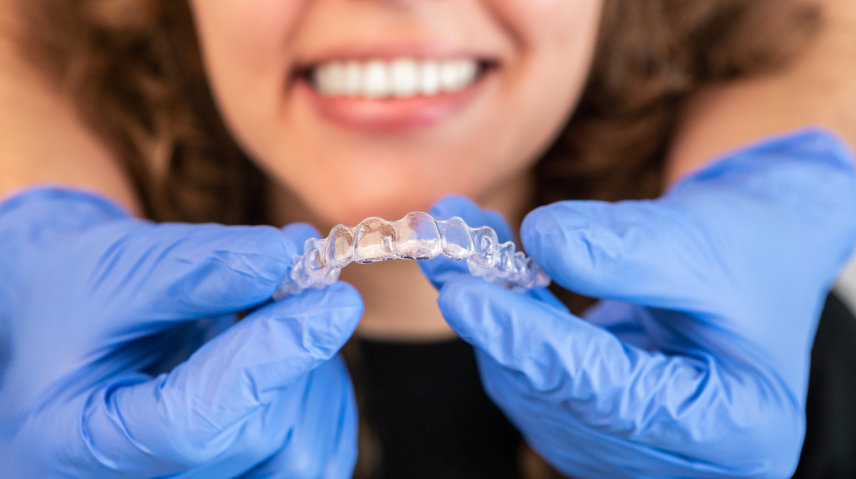
Are you tired of feeling self-conscious about your smile’s teeth misalignment? Straighten teeth and improve teeth alignment with the help of a dentist. The ultimate guide to Invisalign treatment with removable aligners is here to revolutionise the way you straighten your teeth.
Say goodbye to traditional braces and embrace the Invisalign system, a discreet orthodontic treatment option that will straighten teeth and give you the confidence you deserve.
What Is Invisalign?
Invisalign is an orthodontic treatment option that uses clear aligners to straighten your teeth effectively and comfortably. It is a popular choice for patients who prefer a more discreet alternative to traditional braces. With Invisalign, your dentist can provide you with a retainer that fits snugly over your teeth, allowing for gradual alignment.
This innovative oral care solution is a great option for achieving a straighter smile. Instead of metal brackets and wires, Invisalign utilises custom-made, transparent plastic trays that are virtually invisible when worn.
With Invisalign, you can enjoy the freedom of removing the aligners when eating or brushing your teeth, making it easier to maintain proper oral hygiene. Additionally, Invisalign treatment typically requires a retainer to help maintain the results achieved. It is important to consider the cost of both the aligners and the retainer when budgeting for your dental care.
Plus, the smooth plastic trays of Invisalign are more comfortable than traditional braces, reducing irritation and discomfort. Whether you choose Invisalign, the cost will vary depending on your specific needs.
Ready to transform your smile without sacrificing aesthetics? Dive into our comprehensive guide and discover everything you need to know about Invisalign treatment. Get ready for a journey towards a confident smile with Invisalign! Whether you choose Invisalign, this groundbreaking solution will help you achieve the smile you’ve always wanted.
How does Invisalign work?
Invisalign treatment is a cutting-edge approach to straightening teeth that offers a discreet and comfortable alternative to traditional braces.
Let’s take a closer look at how Invisalign works:
Uses gradual force to shift teeth into the desired position
Unlike metal braces, which rely on brackets and wires to apply pressure, Invisalign aligners use gentle yet consistent force to move your teeth. Each set of Invisalign aligners, whether it is Invisalign Express or Invisalign Full, is custom-made for you. These aligners are specifically designed to target specific tooth movements as determined by your orthodontist.
The aligners, whether it’s Invisalign Express or Invisalign Full, are made from a smooth, BPA-free plastic material that fits snugly over your teeth. With Invisalign, they exert controlled pressure on specific areas, gradually guiding your teeth into their ideal alignment.
Trays are replaced every 1-2 weeks
One of the key advantages of Invisalign treatment is its flexibility and convenience. Unlike traditional braces that require frequent adjustments by an orthodontist, Invisalign trays can be easily replaced at home every 1-2 weeks.
Treatment plan created using 3D imaging technology
Before starting Invisalign treatment, your orthodontist will create a personalised treatment plan based on thorough evaluations of your oral health and alignment needs. This involves utilising state-of-the-art 3D imaging technology to capture detailed images of your teeth and jaw structure for Invisalign.
Advantages of Invisalign over traditional braces
Invisalign treatment offers several advantages over traditional metal braces, making it a popular choice for those seeking orthodontic correction. Let’s explore the key benefits that set Invisalign apart from its traditional counterpart.
Removable aligners for easy eating and oral hygiene
One of the significant advantages of Invisalign is the ability to remove the aligners when necessary. Unlike traditional braces, which are fixed onto the teeth, Invisalign allows you to enjoy your favourite foods without restrictions.
Virtually invisible appearance for increased confidence
Another advantage of Invisalign is its virtually invisible appearance. Traditional metal braces often draw attention due to their noticeable brackets and wires, which can make some people feel self-conscious about their smile during treatment.
However, with Invisalign, you can straighten your teeth without the need for visible brackets and wires. Clear aligner trays are custom-made to fit snugly over your teeth, making them almost unnoticeable. This discrete nature of Invisalign boosts confidence levels and allows you to go about your daily life without worrying about the appearance of your orthodontic treatment.
No metal brackets or wires that may cause discomfort
Unlike traditional braces with their metal brackets and wires, Invisalign aligners are made from smooth plastic material tailored specifically to fit your teeth comfortably. This means no more worrying about potential discomfort caused by sharp edges or broken wires irritating your mouth with Invisalign. The absence of metal components in Invisalign eliminates the need for regular adjustments or tightening appointments typically associated with traditional braces.
Pros:
- Removable aligners allow for easy eating and oral hygiene.
- Virtually invisible appearance increases confidence.
- No metal brackets or wires that may cause discomfort.
Is Invisalign suitable for me?
If you’re looking to straighten your teeth and achieve a confident smile, Invisalign might be the perfect solution for you. This revolutionary treatment, Invisalign, has gained popularity due to its effectiveness and discrete nature. However, before diving into the world of Invisalign, it’s important to determine whether it is suitable for your specific orthodontic needs.
Here are some key points to consider:
Suitable for mild to moderate orthodontic issues
Invisalign is an excellent option for individuals with mild to moderate orthodontic issues. Invisalign can effectively correct problems such as overcrowding, gaps between teeth, crookedness, and minor bite irregularities.
With the help of advanced 3D imaging technology, your orthodontist will create a customised treatment plan for Invisalign, tailored to address your specific dental concerns. Each set of Invisalign will be designed to fit snugly over your teeth and exert gentle pressure to guide them into alignment.
Consultation with an orthodontist required for assessment
Before embarking on an Invisalign journey, it is essential to consult with an experienced orthodontist who specialises in this treatment. They will assess your oral health and evaluate if Invisalign is the right choice for you.
During the consultation, the orthodontist will thoroughly examine your teeth using X-rays and digital scans to determine if you are a suitable candidate for Invisalign. This comprehensive evaluation allows them to understand the current position of your teeth and identify any underlying issues that may need attention before starting Invisalign treatment.
Can be used by teens and adults alike
One of the significant advantages of Invisalign is its versatility across different age groups. Both teenagers and adults can benefit from Invisalign, an innovative treatment method.
For teenagers who may feel self-conscious about wearing traditional metal braces, Invisalign offers a more discreet alternative.
How long does Invisalign treatment take?
Invisalign treatment time can vary depending on an individual’s specific needs and the complexity of their case. While there is no one-size-fits-all answer, there are a few factors to consider when estimating the duration of your Invisalign journey.
- Treatment duration varies based on individual needs: The length of Invisalign treatment is tailored to each person’s unique orthodontic requirements. Some individuals may only require minor adjustments with Invisalign, while others may have more complex cases that require additional time for correction. Your orthodontist will assess your teeth and provide an estimate for Invisalign based on your specific situation.
- Typically ranges from 6 months to 2 years: On average, Invisalign treatment lasts between 6 months to 2 years. Invisalign Express is a range that allows for gradual teeth movement, ensuring effective and safe results are achieved. Shorter treatment times with Invisalign are usually associated with less severe alignment issues, while longer durations may be necessary for more extensive corrections.
- Regular check-ups needed every 6 weeks during treatment: Throughout your Invisalign journey, regular check-ups with your orthodontist are crucial for monitoring progress and making any necessary adjustments. These check-ups for Invisalign typically occur every six weeks, allowing your orthodontist to track the movement of your teeth and ensure everything is progressing as planned.
While it’s natural to desire a shorter treatment time, it’s important to remember that achieving optimal results with Invisalign takes time and patience. Rushing the Invisalign process could compromise the outcome or lead to potential complications down the line.
During your Invisalign treatment, you’ll wear a series of custom-made aligners that gradually shift your teeth into their desired positions. These aligners are typically changed every one to two weeks as prescribed by your orthodontist.
It’s worth noting that compliance plays a significant role in determining how long your Invisalign treatment will take.
Aftercare and retainers
After completing your Invisalign treatment, proper aftercare is crucial to maintain the results achieved. Retainers play a significant role in ensuring that your teeth remain aligned and prevent any potential regression. Let’s delve into why retainers are necessary and how to care for them.
Why are retainers necessary?
Retainers are an essential component of orthodontic treatment, including Invisalign. They help keep your teeth in their new positions and stabilise the outcome of the treatment. Without using retainers as directed by your orthodontist, there is a risk of relapse, causing your teeth to gradually shift back to their original misaligned state.
Full-time wear initially, then transition to nighttime only
Once you complete your Invisalign treatment, your orthodontist will provide specific instructions on wearing retainers. Initially, it is recommended to wear them full-time, both during the day and while sleeping. This continuous wear ensures that your teeth settle into their new positions effectively.
After a period determined by your orthodontist, typically several months, you can transition to wearing the retainers only at night while you sleep. Nighttime wear helps maintain the alignment achieved during treatment without interfering with daily activities.
Regular dental check-ups to monitor progress and retainers
To ensure the success of your Invisalign treatment and retainer usage, regular dental check-ups are vital. These appointments allow your orthodontist to monitor progress and make any necessary adjustments or recommendations.
During these visits, they will assess how well the retainers fit and whether any modifications need to be made. They may also examine for signs of tooth decay or other oral issues that require attention. By staying diligent with regular check-ups, you can address any concerns promptly and maintain optimal oral health.
Proper care for retainers
Caring for your retainers is essential in preserving their effectiveness and longevity.
Understanding the Invisalign Treatment Process and Effectiveness
The Invisalign treatment process is a highly effective way to gradually move teeth using controlled force. Unlike traditional braces, which use metal brackets and wires, Invisalign aligners are made of clear plastic and are designed to fit snugly over your teeth. This ensures optimal effectiveness throughout the treatment.
One of the key factors in determining the success of Invisalign treatment is patient compliance. It is important for patients to wear their aligners for the recommended 20-22 hours per day. This allows the aligners to exert gentle pressure on the teeth, gradually shifting them into their desired positions. Consistent wear of aligners will ensure that the treatment progresses as planned and delivers the desired results.
The first step in the Invisalign treatment process involves an initial consultation with an orthodontist or dentist who specialises in this type of treatment. During this consultation, a thorough examination of your teeth and bite will be conducted to determine if you are a suitable candidate for Invisalign. X-rays, photographs, and impressions may also be taken to create a customised treatment plan.
Once it is determined that you are a good candidate for Invisalign, a series of custom-made aligners will be created specifically for you. These aligners are designed using advanced computer technology to ensure they fit comfortably over your teeth while applying gentle pressure to guide them into alignment.
You will receive multiple sets of aligners, each set representing a different stage in your treatment plan. Typically, you will wear each set of aligners for about two weeks before moving on to the next set. As you progress through each set of aligners, your teeth will slowly but surely shift into their desired positions.
Regular check-up appointments with your orthodontist or dentist will be scheduled throughout your Invisalign treatment journey.
Improving Dental Hygiene with Invisalign
Congratulations! You’ve reached the end of our ultimate guide to Invisalign treatment. By now, you have a comprehensive understanding of how Invisalign works, its advantages over traditional braces, and whether it’s suitable for you. You also know about the duration of treatment, the process involved, and how to care for your aligners effectively.
Now that you’re armed with all this knowledge, it’s time to take action and start your journey towards a straighter smile. Schedule an appointment with an experienced Invisalign provider who can assess your specific needs and create a personalised treatment plan just for you. Remember, investing in your dental health is investing in yourself!
Frequently Asked Questions
Will wearing Invisalign affect my speech?
Initially, you may experience a slight adjustment period where your speech might be affected. However, most people adapt quickly and find that any speech impediment disappears within a few days.
Can I chew gum while wearing my aligners?
No, chewing gum while wearing aligners is not recommended as it can stick to the aligner material and cause damage.
How often do I need to visit my dentist during Invisalign treatment?
Typically, follow-up appointments are scheduled every six weeks so that your dentist can monitor progress and make any necessary adjustments to your treatment plan.
.svg)