.svg)


Aug 6, 2026
Composite Bonding vs Veneers: A Guide for Predictable, Long-Term Results
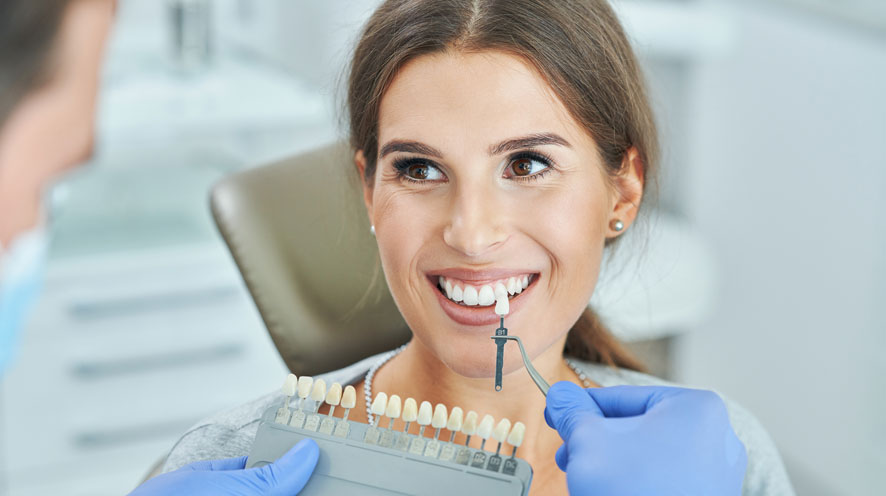
Choosing how to restore or refresh your smile is a clinical decision first, an aesthetic decision second. Composite bonding and veneers can both deliver natural-looking improvements. They do so in different ways, with different implications for tooth structure, maintenance and long-term stability.
This guide sets out what each option involves, who they suit, and how we plan predictable outcomes at Stoke Bishop Dental Centre. We will also touch on comfort, timelines, aftercare and how retainers or night guards help protect results. Short real-world case vignettes illustrate when bonding or veneers provided stable, reliable outcomes.
What composite bonding is and when it works well
Composite bonding uses tooth-coloured resin placed directly onto the tooth, then shaped, set and polished in the same appointment. It can close small gaps, re-shape edges, camouflage chips and refine tooth proportions. Because it is additive, little or no enamel is removed.
Who it suits
- Healthy teeth with minor chips, wear, spacing or localised discoloration
- Patients seeking a conservative, reversible-first approach
- Younger patients where preserving enamel is a priority and the bite is stable
- People open to periodic maintenance and polishing to keep the surface at its best
Strengths
- Minimally invasive, often no drilling
- Same-day results with careful shade-matching
- Easy to modify or repair if small chips occur
Limitations to consider
- Surface gloss can soften over time and may pick up stain, especially if you smoke or drink dark liquids frequently
- Durability is good in low-stress areas, but composite is less wear-resistant than porcelain
- Heavier bite forces or edge-to-edge bites may shorten lifespan unless we stabilise the bite first or protect with a night guard
What dental veneers are and when they suit best
Veneers are thin custom-made shells, typically porcelain or ceramic, bonded to the front of teeth. They are designed and crafted in a dental laboratory after digital planning, then fitted at a later visit. Preparation may be minimal, but a little enamel reduction is usually required to create space and avoid a bulky look.
Who they suit
- Patients wanting stronger colour stability and high-level polish over many years
- Teeth with moderate discoloration or enamel defects that do not respond predictably to whitening alone
- Cases needing enhanced shape correction with improved long-term wear
- Patients with stable gum health and a well-managed bite
Strengths
- Excellent colour stability and surface polish
- High wear resistance and strong edge integrity when planned with the bite
- Predictable aesthetics when combined with digital smile design
Limitations to consider
- Usually involves some enamel removal, which is irreversible
- Higher up-front cost than direct bonding
- Repair typically requires professional intervention, and replacements are not uncommon after many years of service
Preparation, tooth structure and comfort
Composite bonding is usually no-prep or minimal-prep. Local anaesthetic is not always required. Appointments feel like an extended filling appointment, with careful shaping and polishing. You leave with the definitive result on the day.
Veneers typically need controlled enamel reduction to make space for the ceramic. We use local anaesthetic for comfort, digital scans for accuracy and provisional covers where appropriate. Fitting is meticulous, with attention to isolation and bonding protocols. Sensitivity is usually mild and short-lived.
Durability, maintenance and long-term outcomes
Lifespan varies with case selection, bite forces and home care.
Composite bonding: often 3 to 7 years before refresh or repair, longer in low-load areas with excellent care. Expect occasional polishing to maintain lustre. Localised chips or wear are straightforward to repair.
Porcelain veneers: often 10 to 15 years is cited in the literature, though individual outcomes vary. They resist stain and maintain gloss well. If a veneer fails, it may need replacement rather than patch repair.
For both options, long-term stability depends on the bite. If you clench or grind, a custom night guard can protect edges and prolong the life of the restoration. Regular hygiene visits and gentle polishing help both materials age well.
Assessment, digital planning and shade matching
A careful assessment underpins predictable results:
- Health baseline: clinical exam, gum assessment and x-rays as indicated. Active disease is treated first
- Records and planning: intra-oral scans, photographs and shade mapping. We evaluate tooth proportions, lip dynamics and how light interacts with enamel and existing fillings
- Bite evaluation: we review static contacts and functional movements to understand load on the planned restorations. Where tooth position limits a conservative approach, collaborative orthodontic input may be advised before bonding or veneers
- Mock-ups and previews: for veneers and some bonding cases, a digital or in-mouth mock-up helps you visualise shape and length before committing. This step often improves predictability and patient confidence
If alignment would improve the outcome or reduce the need for enamel reduction, we may suggest orthodontic treatment first. Our in-house Specialist Orthodontist can advise on short, targeted tooth movements that create space for minimal-prep ceramics or thinner, more durable composite additions.
Appointment timelines and comfort
Composite bonding
- Usually completed in one visit after assessment
- Local anaesthetic sometimes not required
- Immediate results with a smooth, polished finish
Veneers
- Planning visit with scans and photographs
- Preparation and provisional stage
- Fit appointment once the laboratory has crafted the veneers
- Local anaesthetic used for comfort during preparation and fitting
Our team takes a calm, stepwise approach, with clear explanations at each stage. Conscious sedation is available for suitable anxious patients.
Aftercare, hygiene and retention of results
Daily brushing with fluoride toothpaste and consistent interdental cleaning will protect your restorations and gum health. Limit frequent snacking and coloured drinks to reduce stain risk, especially with composite surfaces. Schedule regular hygiene visits for professional maintenance and to keep margins healthy.
A custom night guard is often recommended if we restore incisal edges or lengthen teeth. It reduces micro-fracture risk and helps protect against parafunction. If your treatment follows orthodontics, fixed and removable retainers stabilise tooth positions before any final ceramic work.
Costs, fees and ways to spread payments
Fees vary with case complexity, number of teeth and whether orthodontic alignment or whitening forms part of the plan. We will provide a written estimate after assessment. To support affordability, we offer membership plans for routine care, and flexible payment options for eligible cosmetic and orthodontic treatments. Seasonal 0 percent finance promotions are sometimes available, subject to status and terms. For current information, please contact our reception team.
If you wish to explore cosmetic options more broadly, our cosmetic dentistry page outlines approaches to smile planning, whitening and minimal-prep restorations. You can also review our published costs page for typical fee ranges and finance options where listed.
Frequently asked questions
What is composite bonding and who is it suitable for?
Composite bonding is a tooth-coloured resin shaped directly on the tooth to repair chips, refine shape or close small gaps. It suits patients with healthy teeth needing subtle refinements and those who prefer a minimally invasive approach.
What are dental veneers and who are they suitable for?
Veneers are custom-made porcelain or ceramic facings bonded to the front of teeth. They suit patients seeking durable colour stability, shape correction and high polish, provided the bite and gum health are stable.
How do bonding and veneers compare in durability and maintenance?
Composite typically needs more maintenance and may stain sooner but is easy to repair. Porcelain resists stain and wear better over time but may need replacement if damaged.
What does the assessment and planning process involve?
A stepwise review of gum health, x-rays as indicated, digital scans, photographs, shade mapping and bite analysis. For veneers and some bonding cases, mock-ups help preview the result. If alignment would improve predictability, orthodontic input is considered first.
What are the costs and can payments be spread?
Costs depend on complexity and number of teeth. We provide written estimates and offer membership plans and payment-spreading options. Seasonal 0 percent finance promotions may be available. Please contact our team for current details.
When orthodontics helps restorative predictability
Minor crowding or tooth position often dictates how much we must reduce or add to teeth. Short, focused alignment can enable thinner ceramics and longer-lasting composites. If tooth movement would improve outcomes, our Specialist Orthodontist can assess this in-house. If you are exploring alignment first, you can learn about Invisalign® and other clear aligner options on our website.
A calm, collaborative path to a stable result
Whether you choose composite bonding or veneers, success comes from careful assessment, bite-aware planning and thoughtful maintenance. Composite protects enamel and is easily repaired, making it ideal for conservative refinements. Veneers offer excellent colour stability and wear resistance when there is a need for more extensive change.
If you would like a tailored opinion, our team at Stoke Bishop Dental Centre can assess your oral health, discuss options and plan a predictable pathway that suits your goals and budget. Book a dental consultation with our experienced team today.
.svg)